
Understanding Kidney Cancer: Causes, Symptoms, and Treatment Options
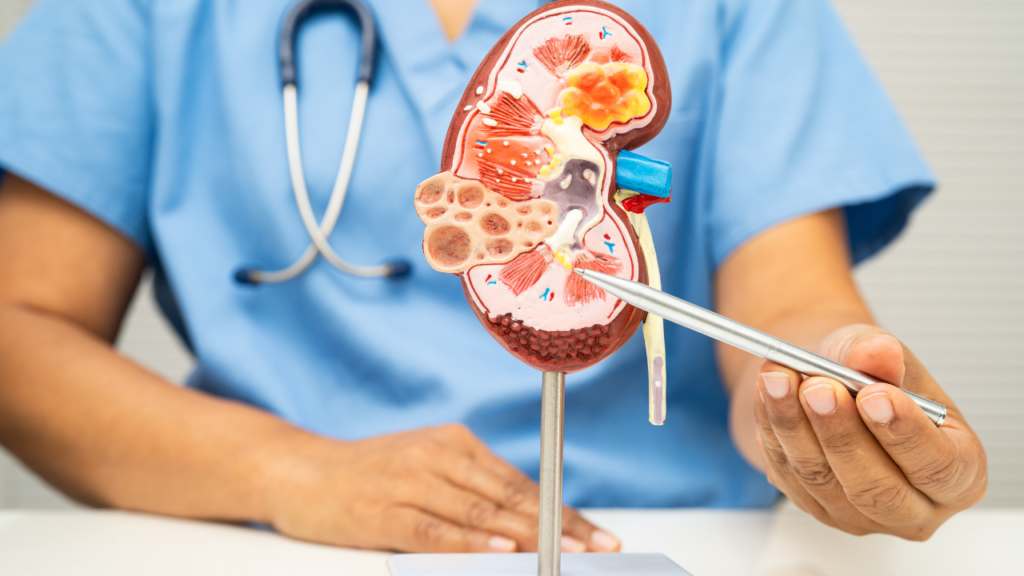
Kidney cancer is a serious health condition that begins in the kidneys—two bean-shaped organs located on either side of the spine, just below the rib cage. Their primary role is to filter waste from the blood and produce urine. When abnormal cells in the kidney grow uncontrollably, they can form a tumor, leading to what is known as kidney cancer.
Types of Kidney Cancer
The most common type of kidney cancer in adults is renal cell carcinoma (RCC), which accounts for the majority of cases. Other less common types include transitional cell carcinoma, Wilms tumor (mostly affecting children), and renal sarcoma.
Causes and Risk Factors
While the exact cause of kidney cancer is not always clear, several risk factors can increase the likelihood of developing the disease:
- Smoking: Tobacco use significantly raises the risk.
- Obesity: Excess body weight is linked to hormonal changes that may contribute to cancer.
- High blood pressure: Chronic hypertension may damage kidney function over time.
- Family history: A genetic predisposition can increase risk.
- Occupational exposure: Certain chemicals like asbestos or cadmium may play a role.
Symptoms to Watch For
Kidney cancer often develops silently in its early stages, but as it progresses, some symptoms may appear:
- Blood in the urine (hematuria)
- Persistent pain in the lower back or side
- Unexplained weight loss
- Fatigue
- A lump or mass in the abdominal area
It’s important to note that these symptoms can also be associated with other conditions, so proper medical evaluation is essential.
Diagnosis
Doctors use a combination of methods to diagnose kidney cancer, including:
- Imaging tests such as CT scans, MRIs, or ultrasounds
- Blood and urine tests
- Biopsy, in some cases, to examine tissue samples
Early detection significantly improves treatment outcomes.
Treatment Options
Treatment depends on the stage of the cancer, overall health, and patient preferences. Common approaches include:
- Surgery: Removing part or all of the affected kidney (partial or radical nephrectomy)
- Targeted therapy: Drugs that block specific pathways cancer cells use to grow
- Immunotherapy: Boosts the body’s immune system to fight cancer
- Radiation therapy: Used in specific cases, especially if surgery isn’t an option
Prevention and Lifestyle Changes
While not all cases can be prevented, adopting a healthy lifestyle can lower risk:
- Quit smoking
- Maintain a healthy weight
- Eat a balanced diet rich in fruits and vegetables
- Stay physically active
- Monitor blood pressure regularly
Living with Kidney Cancer
A diagnosis of kidney cancer can be overwhelming, but advances in medical science have improved survival rates and quality of life. Support from healthcare professionals, family, and support groups plays a crucial role in coping with the disease.
Conclusion
Kidney cancer is a complex condition, but awareness and early detection can make a significant difference. Understanding the risk factors, recognizing symptoms, and seeking timely medical care are key steps in managing this disease effectively.
If you or someone you know experiences persistent symptoms, consulting a healthcare professional promptly can lead to early diagnosis and better outcomes.